Posts By Jesse Morgan
Ion exchange resin regeneration and system optimization
In the complex world of water treatment, ion exchange resin occupies a critical role. Its problem-solving prowess can be seen in contexts ranging from water softening and purification, to the extraction of valuable minerals. Yet, to fully harness this technology’s potential, understanding the regeneration process and system optimization becomes indispensable. This article aims to shed light on these aspects, exploring technicalities and presenting practical insights drawn from real-world examples.
Unraveling Ion Exchange Resin Regeneration
Ion exchange resin regeneration is a process specifically meant to restore the resin’s initial ion-exchange capacity, extending its lifespan and reinforcing its efficiency. It’s a cost-effective alternative to premature resin replacement—provided it’s done correctly.
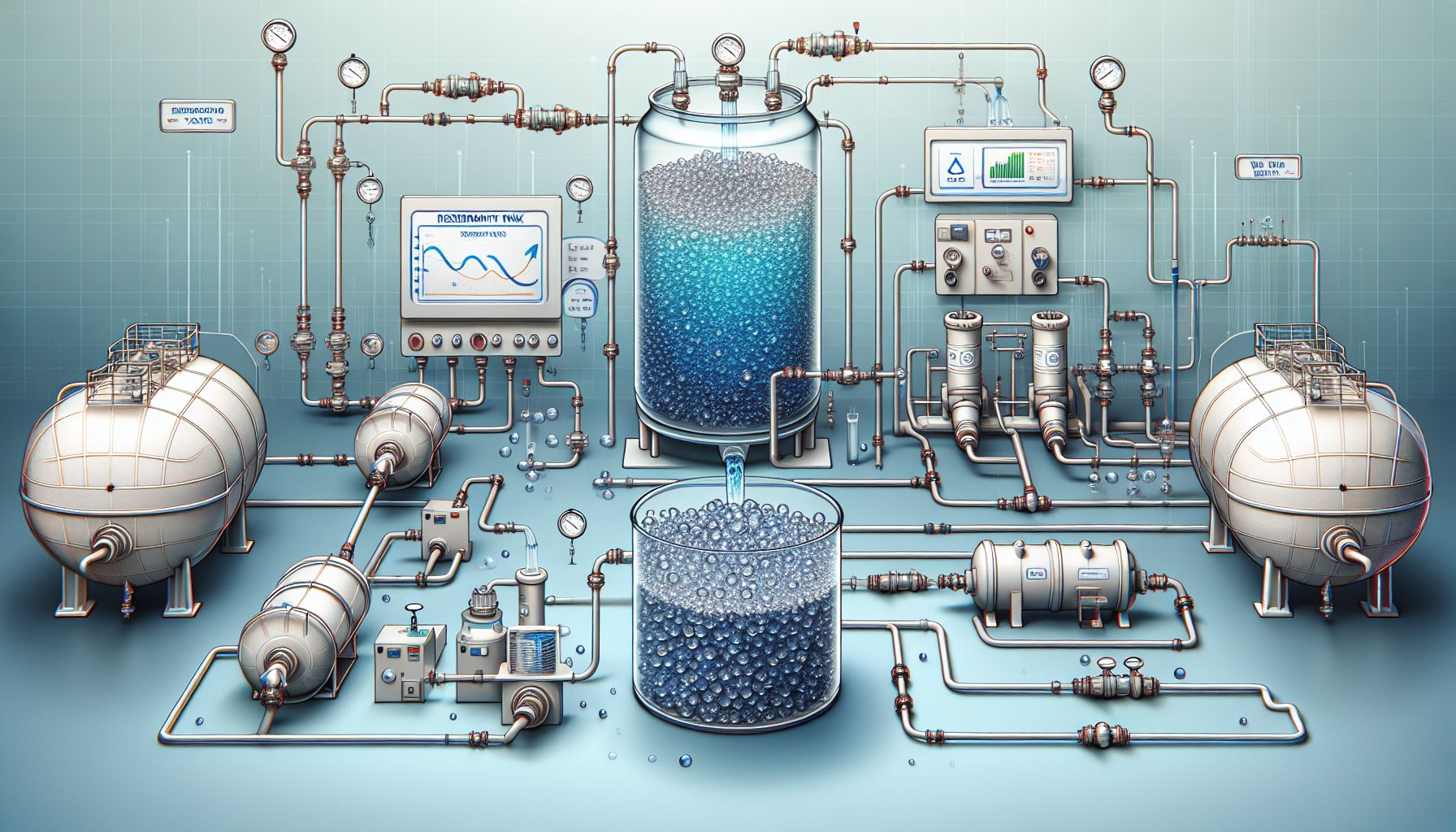
Typically, the regeneration process involves three distinct stages: backwashing, chemical regeneration, and rinsing. During backwashing, water flows through the resin bed in a reverse direction to remove any trapped particulates. Next, a regenerant chemical solution—often an acid or base—is introduced to re-plenish the resin beads’ ionic capacity. Finally, the coils are rinsed off any lingering regenerant solution, preparing the resin for a fresh cycle of ion exchange.
While the process may sound fairly straightforward, it’s actually steeped in intricate chemical kinetics and equilibrium considerations that necessitate meticulous planning and precise execution.
Delving into System Optimization Techniques
The effectiveness of ion exchange resin regeneration largely hinges on system optimization. Three overarching parameters shape this optimization process—regenerant type, concentration, and contact time.
For starters, the choice of regenerant type must be compatible with the resin’s chemistry. Sodium chloride (NaCl), sulfuric acid (H2SO4), and hydrochloric acid (HCl) are commonly used regenerants. However, one must be wary of their potential environmental impacts, especially in the case of heavy metal-bearing waste streams.
Next, it is important to get the regenerant concentration and contact time just right. Overexposure or underexposure to the regenerant can oversaturate or weaken the resin’s ion-exchange capacity, respectively. Similarly, contact time is a crucial determinant of the regeneration process’s efficiency and cost-effectiveness. Research suggests that optimal resin regeneration often calls for a careful balance of these variables for achieving the desired system efficiency.
The Evaluation of Regeneration Efficiency and Case Example
Regeneration efficiency should be periodically assessed to ensure optimal system operation. Parameters such as regenerated capacity, regenerant dose, effluent quality, and post-regeneration resin characteristics are commonly used as assessment indices.
But how does this play out in practice? Let’s consider an example from the Clemson watershed excellence center. Part of their research involves investigating the ion exchange processes in waste-water treatment. They frequently monitor the characteristics and performance of their ion exchange resins to gauge the efficacy of their regeneration efforts. Such diligent monitoring helps in identifying issues early and making necessary modifications to the regeneration process.
Fine-tuning Regeneration for Environmental Sustainability
Beyond efficiency, there’s an increasing emphasis on environmentally friendly practices in water treatment. It’s understood that dumping high-concentrated waste regenerant solutions can lead to the contamination of water bodies. The challenge lies in balancing process efficiency with environmental responsibility.
One proven strategy is to minimize unnecessary regenerant discharge. Practices like regenerant recovery and reuse have been gaining traction as a result. The application of advanced technologies, such as reverse osmosis and spray evaporation, further aid in this task.
Future Trends and Considerations
The future of ion exchange resin regeneration hinges on two key aspects—sustainability and automation. The development of biodegradable resins and eco-friendly regenerants is expected to take the forefront in research efforts. Simultaneously, the integration of automated monitoring and control systems will likely streamline the regeneration process while minimizing human error and intervention.
In summary, Ion exchange resin regeneration is a crucial, yet nuanced aspect of water treatment systems. It demands a systematic understanding of system characteristics, meticulous planning, and careful execution. The combination of proven practices and innovative approaches will continue to guide the path to more efficient and sustainable resin regeneration.


Municipal wastewater treatment plant locations nationwide
In ensuring sustainable living conditions, the importance of an effective wastewater management system is often undervalued. Municipal wastewater treatment plants play a key role within this system by effectively processing raw sewage to remove contaminants and produce water safe for reintroduction into the environment. But have you ever wondered where these critical facilities are located across America?
Geographic Distribution of Wastewater Treatment Plants
The United States is home to over 14,748 municipal wastewater treatment facilities according to the most recent statistics from the Environmental Protection Agency (EPA). These facilities are prevalent across the nation, serving to treat water in both urban and rural communities alike. The positioning of these treatment plants factor in a number of considerations ranging from population density to topographical information and regional health codes.
The northeastern states such as New York, Pennsylvania, and New Jersey host a higher concentration of these facilities due, in large part, to their densely populated urban centers. On the other hand, western states like Texas and California, given their extensive land area and substantial population, also house a significant number of these facilities.
In the more rural states like Montana and Wyoming, the facilities might be relatively fewer but play just as vital a role in managing the region’s wastewater needs. Smaller, decentralized treatment plants often service these rural areas allowing for more flexible and cost-effective treatment solutions. Newer technology advancements have also made it possible to operate these facilities more sustainably.
Interestingly, you can find wastewater treatment facilities nationwide through an interactive online map. Here, each plant’s location is clearly marked, offering insights into the vast distribution network of these crucial installations. Not only is it fascinating from an informational perspective, but this tool also helps policymakers and researchers assess crucial data related to the nations’ wastewater management capacity.
Factors influencing the Location of Wastewater Treatment Plants
While it might seem arbitrary to some, the siting of a wastewater treatment plant is a complex process influenced by a combination of geographical, socio-economic, and environmental factors. Proximity to residential areas is of great importance, as is the lay of the land, groundwater resources, and proximity to bodies of water that serve as discharge points post-treatment.
The design and operational requirements of a wastewater treatment plant also significantly influence its location. Key aspects to consider include land availability for infrastructure, access to power and utilities, ease of access for maintenance and service, among others. Let’s not forget the impact on the local community, which often has regulations outlining the distance a facility must be from residential areas to minimize potential odor issues or improve aesthetics.
A Brief Look at the Largest Municipal Wastewater Treatment Facilities
For a better understanding of municipal wastewater treatment plants, let’s consider a few large-scale facilities. The Stickney Water Reclamation Plant in Chicago, Illinois, covers a massive 413 acres and serves a population of 2.3 million people. It stands as the largest wastewater treatment plant in the world in terms of volume, processing up to 1.44 billion gallons of wastewater daily.
On the west coast, the Hyperion Sewage Treatment Plant in Los Angeles treats an estimated 330 million gallons per day, serving a population of about 4 million people. This plant, initially built in 1894 and upgraded multiple times since, showcases the evolution of wastewater management in response to growing populations and advancing technologies.
The Future of Wastewater Treatment Plant Locations
As we look towards the future, the positioning of wastewater treatment plants nationwide will continue to evolve with changes in population distribution, emerging technologies, and shifting environmental policies. Concepts like sewerage-free cities, ecological sanitation systems, and wastewater recycling for urban agriculture are slowly being tested and may become part of our wastewater management norm in the future.
Moreover, considerations for climate change and rising sea levels may also influence the siting of new facilities. A 2019 study published in the journal “Nature Climate Change” suggested that 37% of all facilities in the United States might be affected by the sea-level rise by 2100. If this proves accurate, we can potentially see a shift in plant locations further inland.
Conclusion
Municipal wastewater treatment plants are distributed extensively across our nation, each providing an essential service for its communities. The location of these facilities is an intricate, expertly planned directive balancing population needs, technical requirements, and potential environmental impacts. As our cities grow, so does our comprehensive understanding of this integral sector. So, the next time you drive past a wastewater treatment facility, take a moment to appreciate its role in curating a cleaner, healthier environment.
How to clean a water softener brine tank
Having a water softener in your household can be a boon – removing excess minerals from your water supply, delivering cleaner dishes, softer clothes, and less limescale buildup. Yet, in order to reap these benefits optimally, regular maintenance, particularly of the brine tank, is essential. The ignored build-up of salt, iron, and other impurities can cause malfunction. Good news is, cleaning a water softener brine tank is neither complicated nor time-consuming and can significantly enhance the appliance’s lifespan. It also improves performance, ensuring you get the best quality softened water for your needs.
Understanding Your Brine Tank
Before starting the cleaning process, it’s essential to have a basic understanding of how the brine tank functions in your water softener system. The brine tank holds a salt solution, which is crucial for recharging the resin beads that play a key role in softening your water. Over time, salt bridges or mushing can occur due to the accumulation of impurities – both conditions disrupting the softening process.
Ensuring the efficient functioning of the brine tank, therefore, is a core aspect of water softener maintenance. Regularly checking the area can help identify any problems early and maintain the quality of your softened water.
Determining the Frequency of Cleaning
How frequently should you clean your brine tank, you ask? Well, it depends on several factors. Most manufacturers recommend annual cleanings, but the time may vary based on your device’s model and your water hardness levels. If your water contains high levels of iron or if you use rock salt instead of evaporated salt pellets, your tank may need more frequent cleanings – perhaps every six months.
Assembling Your Cleaning Tools
The cleaning process doesn’t require any fancy tools. A long-handled brush, a shop vacuum, some rubber gloves, a garden hose, and regular dish soap or a water softener cleaner designed specifically for salt tanks should do the trick.
Step-by-step Cleaning Process
Ready to roll up your sleeves yet? Let’s dive right into the process with these step-by-step instructions.
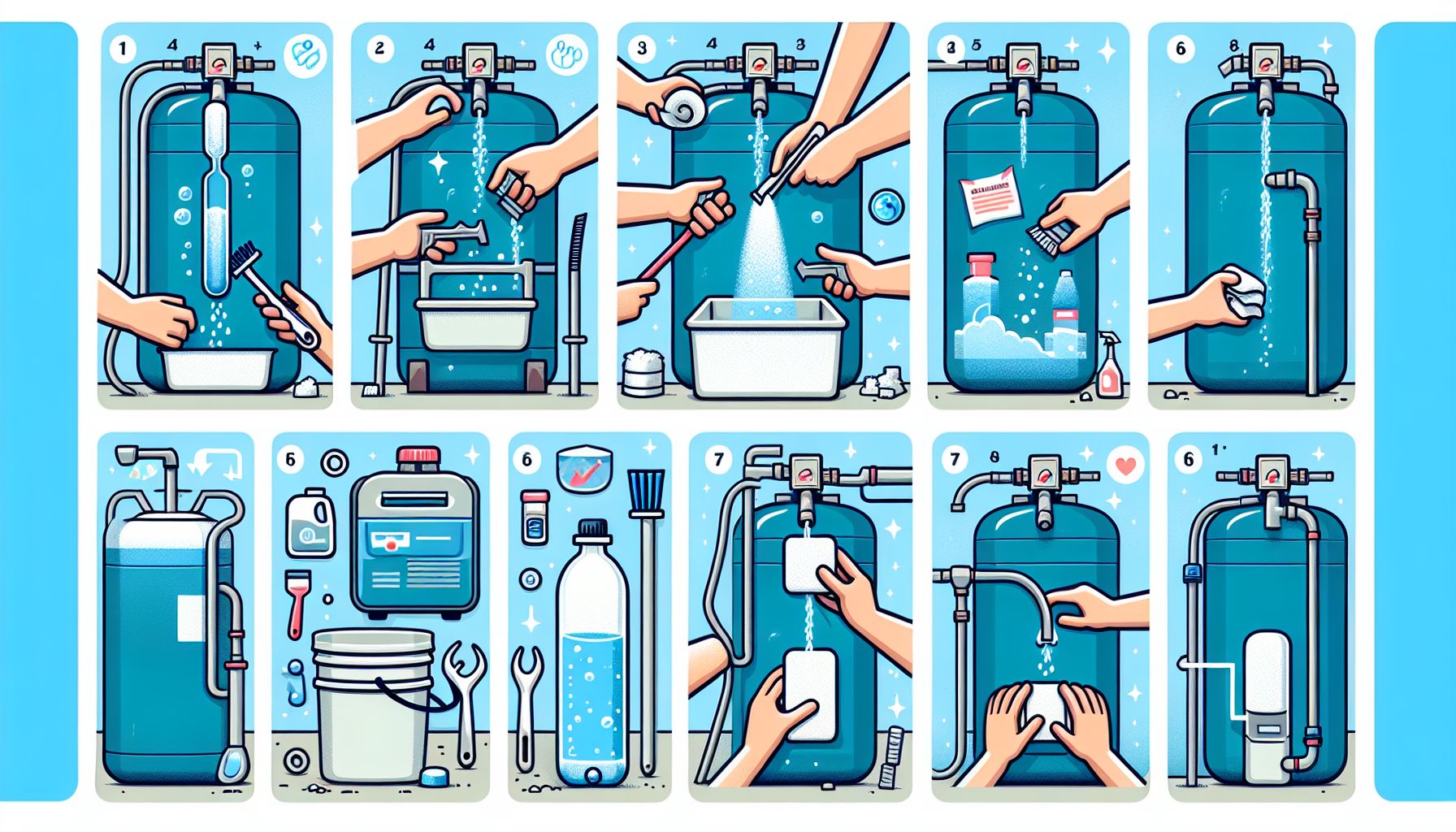
Step 1: Disconnect and Drain the Brine Tank
Firstly, disconnect the brine tank from the rest of the water softener system. It’s important to refer to your manufacturer’s manual to understand how to safely perform this step. Next, begin draining the water from the brine tank. You can use a shop vacuum to remove any remaining liquid. This process will expose the salt at the bottom, be it in the form of a bridge, mush, or normal salt stockpile.
Step 2: Remove the Salt
Remove as much of the remaining salt as you can. If there’s a salt bridge or mushing, break it apart with a broom handle or similar tool and scoop it out. Also, be sure to remove any other visible impurities.
Step 3: Scour the Tank
After emptying the tank, create a soapy water mixture using warm water and dish soap. Scrub the interior of the tank with this solution and your long-handled brush. Pay special attention to corners and lower sections of the tank where salt residue may have accumulated.
Step 4: Rinse Thoroughly
Rinse the tank thoroughly with clean water using a garden hose. Repeat the scrubbing and rinsing process if you still notice any residue or stains in the tank.
Step 5: Sanitize the Tank
For deeper cleaning, consider using a water softener cleaner. Pour it into the tank and scrub again. Once more, rinse thoroughly until all the cleaner is removed.
Step 6: Reconnect and Refill
After the cleaning process, reconnect the brine tank to the water softener system. Then, refill the tank with salt. Filling the tank half to three-quarters full is typically recommended, but this may differ depending on your device’s manufacturer instructions.
In order to ensure the system recharges properly, it is advisable to manually regenerate the water softener once cleaning is done.
Wrapping It Up
Cleaning your water softener brine tank is an important part of maintaining the efficiency and lifespan of your appliance. By following the steps outlined above and scheduling regular cleanings, you can ensure your water stays soft and your softener keeps functioning without a hitch.
Do remember, this is a general guide and water softener models can vary – it’s always wise to consult your manufacturer’s instructions for specifics. With consistent upkeep, you can maximize the benefits of having that high-performing water softener in your home.
An ounce of prevention, they always say, is worth a pound of cure. Or, in water softener parlance, a little regular cleaning is worth bountiful of softened water!
Residential water treatment system care and maintenance
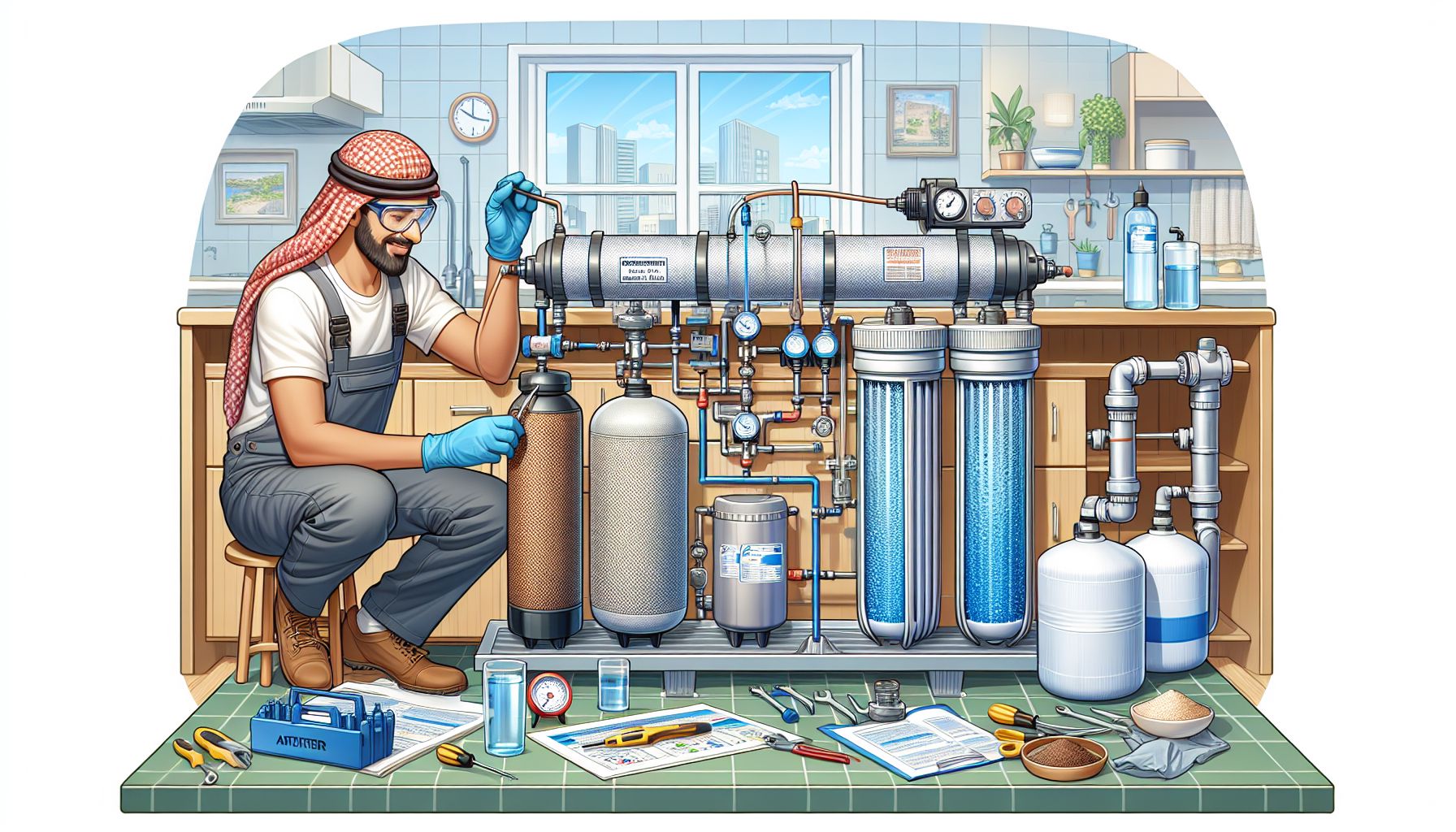
Water plays a crucial role in every household, it is paramount you ensure its clarity and safety. From drinking and cooking to laundry and washing dishes, it’s indispensable. However, impurities can have a profound impact on the quality, taste, and safety of your water. Therefore, having a functional water treatment system in place is a necessity. Nonetheless, how well are you maintaining your residential water treatment system? Let’s dive into the world of water treatment system care and maintenance, unpacking everything you need to know.
Recognizing the Importance of Regular Maintenance
Keeping your water treatment system in prime condition is not an optional endeavor, but rather a fundamental requirement. According to the Centers for Disease Control and Prevention (CDC), regular maintenance of these systems can prevent unwanted diseases linked to water (like Legionnaires’ disease, and gastrointestinal illnesses) and protect the overall health of the household. Still, have any doubts about the gravitas of regular maintenance?
Without proper care, the efficiency of your system can drastically reduce over time, resulting in poor water quality. Furthermore, neglected maintenance can substantially shorten the lifespan of your system, leading to costly and frequent replacements. To avoid such hassles and to ensure the longevity and optimal function of your system, a regular maintenance schedule is key.
Frequent Inspection and Regular Filter Changes
The heart of any water treatment system is arguably the filter. Over time, they can become clogged with impurities and debris, impairing their effectiveness. To ensure your water remains uncontaminated and safe for utilization, Experts recommend changing your filters at least every six months, or according to the manufacturer’s instructions.
In conjunction with regular filter replacements, frequent inspections are equally vital. Every three to six months, you might want to conduct a thorough inspection checking for leaks, assessing the quality of the water output, and checking for any unusual noises. Early detection of potential problems could save you a considerable sum.
Regular Cleaning and Disinfection
Stagnant water can be a breeding ground for bacteria and other microorganisms. Even in the cleanest of homes, bacteria can find their way into your water system, especially given the warm, humid environment in which the system generally operates. To combat this, Colorado State water resources recommend regular cleaning and disinfection of water treatment systems.
The cleaning process involves thoroughly washing all parts of the system, including the storage tank. For disinfection, use food-grade sanitizers recommended by the manufacturer or a solution of mild bleach and water. Be sure to rinse thoroughly after disinfecting to eliminate any remaining sanitizing agent that might impact the taste or safety of your water.
Scheduling Routine Professional Maintenance
While some aspects of maintenance can readily be undertaken at home, hiring a professional service for routine check-ups is a wise decision. According to a study by Ohio State University, professional maintenance of water treatment systems can prolong the lifespan of the system and ensure its optimum function.
Whether it’s bi-annual or annual, regular professional check-ups can uncover hidden issues that might be easily overlooked by a non-expert. Professionals have the know-how and tools to efficiently carry out complex procedures like water hardness testing, pressure adjustments, and regeneration settings configuration.
Calibration and Adjustment
Calibration and adjustment are more advanced aspects of the care and maintenance of water treatment systems, and typically carried out by professionals. Accurate calibration of system controls and timers ensures optimal use of water and energy.
Did you know misaligned settings can result in unnecessary energy consumption, thus affecting your utility bills? Or that irregular regeneration cycles can lead to the inefficient use of water?
Calibration ensures that your system regenerates based on the hardness of your water and the amount of water your household consumes. Professionals have the tools and knowledge to precisely adjust controls, resulting in a well-tuned, efficient system.
With the right maintenance and care, your residential water treatment system can offer years of reliable service, safeguarding your household’s water supply. Understanding the integral role water plays in our everyday lives, it is only fitting we give the necessary attention to the systems that treat and purify it. Your investment in regular care and maintenance will pay off in increased system longevity, consistent water quality, and cost savings in the long run.
So, have you checked on your water system lately?
Conclusion
The recipe for a healthy and efficient water treatment system boils down to regular maintenance. From routine filter changes and inspections to professional checks, every facet of maintenance has a role to play. Remember, the longevity and efficiency of your residential water treatment system largely lie in your hands. The commitment to proactive care can prevent a tiny issue from becoming a full-blown, costly problem. Get proactive, schedule a maintenance check now, and rest assured your healthy and safe water is sustained.